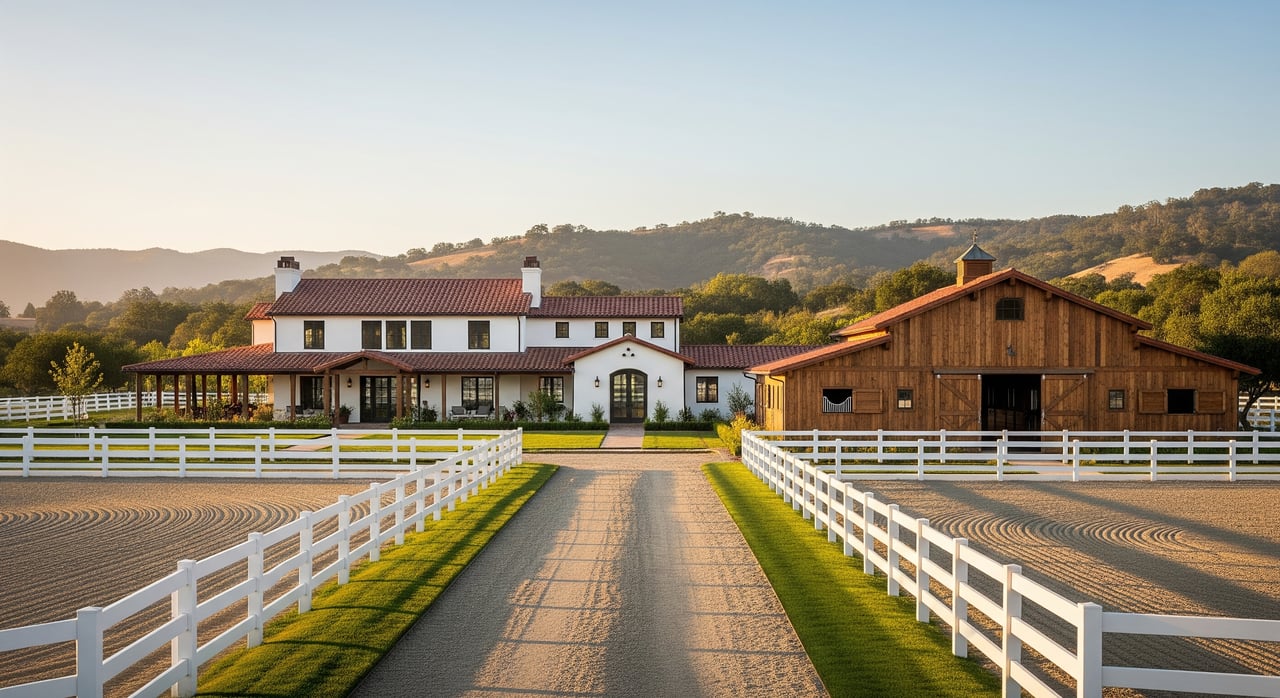
Picture this: morning light over the Simi Hills, a soft breeze in the arena, and your horse right outside your back door. If you are searching for an equestrian property in Moorpark, you already know the right land makes daily riding simpler and more enjoyable. This guide shows you exactly where buyers tend to find horse-ready parcels, what features to look for, how local trails connect, and the key rules to check before you write an offer. Let’s dive in.
Best areas for horse properties
City limits: larger-lot pockets
Inside the City of Moorpark, equestrian-friendly homes are most often in larger-lot residential or rural residential areas. You will typically see parcels starting around 1 acre, with some variation based on zoning and subdivision rules. These properties can work well for 1 to 2 horses, and many have room to add modest improvements with the right permits. Always confirm city jurisdiction and the exact animal-keeping rules for the parcel you are considering.
Unincorporated county near Moorpark
Just outside the city, unincorporated Ventura County offers a wider range of acreage. You will find ranchettes in the 1 to 5 acre range and larger agricultural or rural residential parcels that can stretch to 20 acres or more. These county properties are common choices for multi-horse setups, small private boarding, or owners who want larger turnouts and space for an arena. Zoning, setbacks, and animal counts can differ from city rules, so verify county jurisdiction from the start.
Near Moorpark College and the Santa Rosa Valley edge
Areas near Moorpark College and along the county boundary toward Santa Rosa Valley and the Simi Hills have historically seen a higher concentration of horse properties. Riders value the larger lots, agricultural zoning patterns, and proximity to regional trail systems. Expect a mix of small ranchettes and more substantial acreage in these corridors. If you plan to trailer to nearby trailheads, map drive times from these pockets during peak hours.
What “equestrian-ready” means here
Lot size expectations
- Around 1 acre: workable for 1 to 2 horses with stalls and small turnouts if you manage footing and rotation carefully.
- 2 to 5 acres: common ranchette scale with room for multiple paddocks, a small schooling arena, and dedicated hay or feed storage.
- 5+ acres: better for larger turnouts, multiple arenas, and small private boarding.
Usable acreage matters. Subtract steep slopes, setbacks, or seasonal drainage areas when you plan your layout.
Barn, stalls, and support spaces
Small hobby barns often have 2 to 4 stalls, while many private equestrian homes offer 3 to 6 stalls. A 12' x 12' stall footprint is a common comfort standard for adult horses. Look for or plan a tack room, feed storage, a wash rack with proper drainage, and convenient turnouts adjacent to stalls.
Arena and training areas
Private homes in Moorpark range from compact schooling arenas to larger riding spaces. Many owners install sand footing, while all-weather bases with engineered drainage are a premium upgrade. Round pens of about 50 to 60 feet in diameter are common for training.
Trailer access details that matter
Check driveway slope, turning radius, gate width, and overhead clearance under trees or lines. A gate opening of roughly 12 to 14 feet is a practical minimum for most trailers. Level parking or a pad near the barn improves safety and daily convenience. Cul-de-sacs can be tricky for long rigs unless the property offers an off-street turnaround.
Red flags to watch
- Standing water or mud in paddocks and arenas signals drainage issues.
- Aging or hazardous fencing with loose boards or protruding fasteners.
- Insufficient hay storage or signs of mold.
- Unpermitted or unsafe barn electrical.
- Poor manure management that could lead to odor, runoff, or neighbor complaints.
Trails, access, and the riding community
Where riders go
Moorpark sits near the Simi Hills and Santa Rosa Valley corridors, which offer connected trail systems and open-space riding. Direct trail access from a private home is less common in developed areas, so many owners trailer to nearby trailheads for hacks and conditioning rides. When you shop, plan out 0 to 15 minute drive options to the trailheads you will use most frequently.
Moorpark College as a resource
Moorpark College is known regionally for equestrian programming and facilities that support lessons, clinics, and competitive opportunities. The college community is a practical hub for finding trainers and learning about local events. New residents often connect here to build a network of vets, farriers, and fellow riders.
Trail etiquette and seasons
Expect multi-use paths and occasional seasonal closures in wet periods. If your favorite routes cross into land managed by different agencies, confirm horse access and rules before you go. Keeping a simple trailer kit in your rig helps you pivot to an alternate trailhead when conditions change.
Rules, permits, and practical checks
City vs county, plus HOAs
First, confirm whether a parcel sits in the City of Moorpark or unincorporated Ventura County. Animal counts, setbacks, and structure rules can vary. If an HOA applies, review CC&Rs for animal-keeping and structure limitations before you invest in improvements.
Environmental and health considerations
Plan for proper manure storage and runoff control to protect drainage and reduce odor. Confirm your water source to barn areas, whether city or private well, and check capacity if you keep multiple horses. If wash racks or barn drains tie into a septic system, confirm that the setup is permitted and adequate for the load.
Insurance, safety, and utilities
Lenders and insurers can require permitted electrical work and fire-safe setups in barns. In wildland-urban interface areas, maintain defensible space and ensure emergency vehicle access. Reliable lighting, hydrants or hose access at the barn, and clear labeling of shutoffs support both daily function and safety.
Budgeting for improvements and ownership
Arena projects vary widely. A new sand arena with a basic base and drainage often falls in the low tens of thousands to mid-five figures, while engineered all-weather builds can exceed that. Per-stall construction costs range from several thousand dollars for modest installations to higher amounts for fully finished stalls with runs. Fencing costs depend on material and terrain, so get local per-linear-foot quotes for wood rail, pipe, or visibility-enhanced wire systems.
Your annual budget should also include feed and bedding, routine vet and farrier care, manure removal, arena maintenance, and fence repairs. Local availability of hay and services can shift with seasonal conditions, so line up reliable suppliers early.
Due diligence checklist
Use this quick list as you tour properties and review disclosures:
- Confirm jurisdiction and zoning, including allowed animal counts.
- Verify parcel size and usable acreage after setbacks and slopes.
- Check permits for barns, stalls, arenas, and any grading work.
- Confirm water source and delivery to barn areas; review well data if applicable.
- Map septic location and capacity relative to barns and wash racks.
- Inspect fencing, gates, driveway slope, and trailer turnarounds.
- Review manure handling and daily storage location relative to neighbors.
- Note distance and drive times to vets, farriers, boarding barns, and feed suppliers.
- Investigate floodplain, wetlands, or wildfire designations that affect insurance.
- Review HOA covenants or CC&Rs for animal and structure rules.
Questions to ask sellers or listing agents
- How many horses have been kept here, and for how long?
- Are the barn electrical, stalls, and arena permits available for review?
- What is the water source to the barn areas, and are there recent well yield tests if applicable?
- How is manure handled, and where is the daily storage location?
- What is the fencing material, height, condition, and replacement history?
- Is there level trailer parking and a turnaround suitable for a horse trailer?
- Are there any HOA restrictions, complaints, or code actions related to horsekeeping?
Equine-capable vs turnkey
An equine-capable property can keep horses with modest upgrades, such as adding runs, improving footing, or widening a gate for trailer access. A turnkey equestrian facility already has permitted barns, paddocks, and an arena with practical drainage. Many buyers find value in properties that are functional today with the flexibility to upgrade over time. Your decision depends on how soon you want to ride at home and how much construction you are comfortable managing.
How to start your search
- Define your acreage need based on horse count, turnout goals, and arena plans.
- Decide whether you prefer city or county jurisdiction, then confirm zoning details.
- Map 0 to 15 minute drives to trailheads, vets, farriers, and feed suppliers.
- Bring a trailer when possible to test access and turning at showings.
- Gather any existing permits and utility information early for underwriting and insurance.
- Walk the site after rain to evaluate drainage where paddocks or arenas would go.
When you want guidance on what is realistic to build, what is already permitted, and which pockets best match your riding style, a local team with equestrian expertise can streamline every step. If you are ready to compare specific Moorpark parcels, request a private consult and bring your wish list.
Ready to find your Moorpark horse property? Connect with The Jenna Kaye Group for a private consultation and a tailored plan.
FAQs
What parts of Moorpark commonly have horse properties?
- Larger-lot pockets on the northern and eastern edges of the city and nearby unincorporated Ventura County, plus areas near Moorpark College and toward Santa Rosa Valley and the Simi Hills.
How many acres do I need for two horses in Moorpark?
- Many owners make 1 acre work for 1 to 2 horses with careful turnout and footing, while 2 to 5 acres offers more flexibility for paddocks and a small schooling arena.
Do I need permits to add a barn or arena in Moorpark?
- Yes, confirm whether the parcel is in the city or county, then check animal counts, setbacks, and permits for barns, grading, wash racks, and shade structures before building.
What if my property does not have direct trail access?
- Direct access is uncommon; most owners trailer a short drive to trailheads serving the Simi Hills and Santa Rosa Valley corridors and plan rides based on seasonal conditions.
What are the top red flags when touring horse properties?
- Poor drainage in paddocks or arenas, unsafe or deteriorated fencing, unpermitted barn electrical, inadequate manure storage, and trailer access challenges like tight gates or steep driveways.