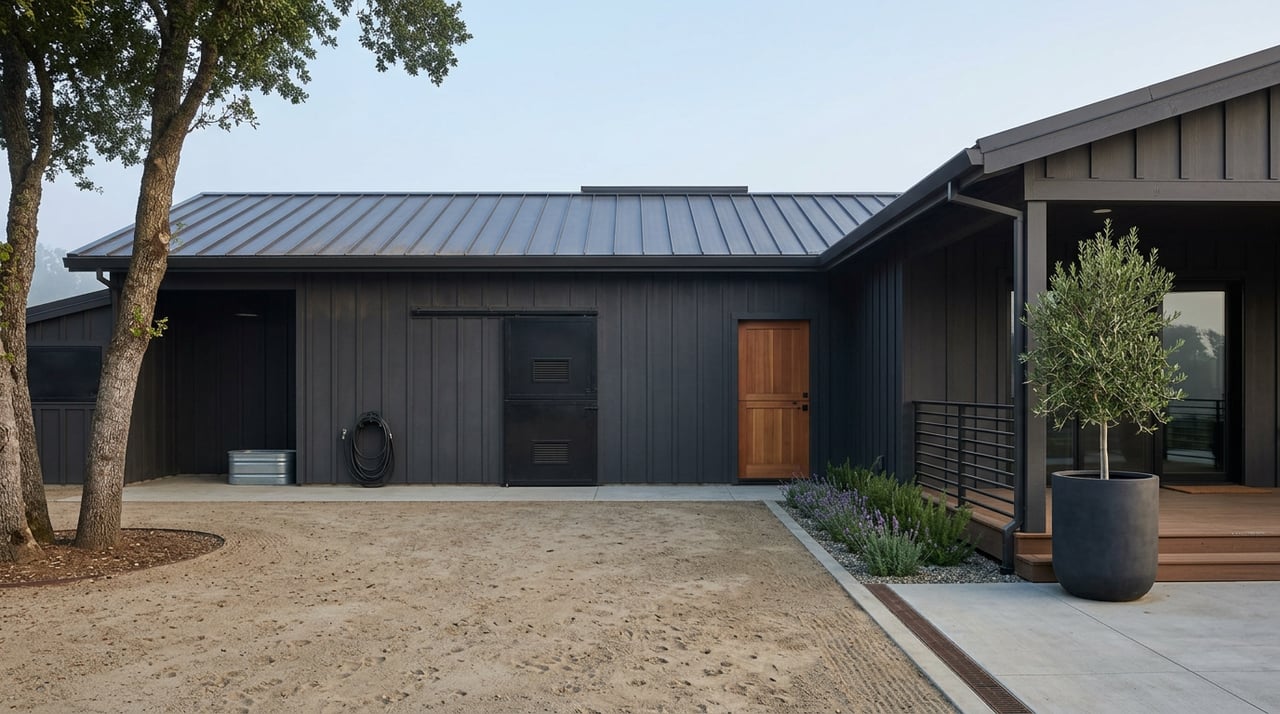
If your perfect morning starts in the saddle with soft canyon light and a quiet arena, Santa Rosa Valley fits like a well-broken-in bridle. Tucked between Thousand Oaks, Camarillo, and Moorpark, this rural pocket feels built for horses and the people who love them. In this guide, you’ll learn what daily riding looks like here, what features to expect on local properties, how trails connect, and which rules to check before you buy. Let’s dive in.
Santa Rosa Valley at a glance
Santa Rosa Valley is an unincorporated community known for acreage, hobby farms, and estate parcels rather than dense subdivisions. The 2020 Census counted 3,312 residents, which helps explain the valley’s relaxed, rural feel and equestrian focus (Santa Rosa Valley overview and population).
Set between the Las Posas and Mountclef ridges, the valley floor offers long private drives, paddocks, and space for small arenas. Extensive public open space nearby creates strong trail connectivity, making day rides a normal part of life.
The Mediterranean climate brings warm, dry summers and mild winters, with ocean-influenced breezes that make year-round riding realistic. Local water resources, including Camrosa’s potable and non-potable systems, support irrigated footing and pastures in key locations (Camrosa water systems).
Equestrian properties and features
Most properties sit on 1-acre or larger lots, often configured for horsekeeping or small-scale agriculture. You’ll find single-family estates, hobby ranches, and a handful of professional facilities. The landscape encourages privacy, turnout space, and easy trailer maneuvering.
Typical horse-ready features include:
- Barns with 10–12-foot stalls, tack rooms, and covered wash racks
- Pipe or vinyl fencing, hay and equipment storage
- Turnout paddocks and loafing areas
- Sand arenas from smaller practice sizes to larger roping or competition setups
- Round pens and, on higher-end sites, lighted or irrigated footing
Utilities and site services
Water sources vary by parcel. Some homes connect to local water districts, while others use private wells. If irrigation matters for arenas or pasture, confirm the water provider, meter size, and any connection fees. Septic systems are common; when you add bedrooms, ADUs, or higher-use equestrian facilities, you may need county review or upgrades. Always request records and consult Ventura County Environmental Health for guidance on onsite wastewater systems (OWTS guidance).
Trails and riding access
Public staging at Santa Rosa Valley Park makes loading, training, and group rides simple. The roughly 50-acre county park lists equestrian arenas and ample trailer parking, and it anchors popular local loops (Santa Rosa Valley Park equestrian amenities).
A long-standing volunteer group, Santa Rosa Valley Trails, Inc. helped secure easements and shaped the valley’s trail master plan, now part of the County General Plan. Their work connects valley-bottom routes with ridgelines and open space systems like Wildwood and Conejo Canyons (SRV Trails history and plan). For a feel of regional connectivity, explore route descriptions in the Conejo Canyons network, including Lower Santa Rosa and Mountclef access points (Conejo Canyons trail map context).
Common rides include flat warm-ups along the valley floor, scenic ridge climbs, and short paved transfers between private lanes and park staging. Most routes are multi-use, so plan for hikers and cyclists and follow posted etiquette and seasonal notices.
Community and services
What you need to keep horses healthy and active is close at hand. The Camarillo–Moorpark–Thousand Oaks corridor provides equine veterinarians, farriers, feed and tack, haulers, and trainers. Youth programming and community events add to the social side of riding; the Santa Rosa Valley Pony Club hosts local instruction and rallies for young riders (Pony Club activities).
Rules that matter
Zoning and animal-keeping
Ventura County’s Non-Coastal Zoning Ordinance defines how many animals you can keep based on lot size, along with containment and setback rules. Some equestrian centers and commercial boarding require a Conditional Use Permit. Before you plan arenas, guest barns, or a boarding business, confirm your parcel’s zoning and allowable uses with the County’s online tools (What’s My Zoning tool; NCZO reference).
Fire and insurance considerations
Parts of the valley fall within updated Fire Hazard Severity Zones. High or Very High designations can affect building requirements, defensible space obligations, AB 38 inspections during a sale, and insurance options. Check the latest maps and local guidance so you can budget for home hardening and vegetation management (Ventura County Fire FHSZ update).
Trails and easements
Trail access can include a mix of public routes and recorded easements that cross private parcels. If seamless riding is essential for you, verify the status of nearby connections during due diligence and reference the SRV Trails master planning resources noted above.
A buyer’s equestrian checklist
Use this quick list to focus your search and due diligence:
- Zoning and animal units: Confirm how many horses are allowed and whether planned uses need a permit.
- Water and irrigation: Identify the water provider or well details, meter size, and any connection or capital fees.
- Septic capacity: Review OWTS records and plan for evaluation if you’ll add living space or higher wastewater flows.
- Arena and barns: Check permit history and what approvals you may need for new structures or lighting.
- Trailer access: Test-drive the route and verify turnaround space and gate widths.
- Footing and drainage: Assess arena base, watering options, and stormwater management.
- Fences and turnout: Inspect condition, materials, and placement relative to setbacks.
- Fire readiness: Evaluate defensible space, eave and vent protection, and accessible water for emergencies.
- Trail connectivity: Confirm nearby routes are public or on recorded easements.
A day in the saddle here
Mornings often start with a cool breeze across the valley floor and soft footing under hoof. You might school in your home arena, then hack out along a quiet lane to the park, climbing to a ridge for broad views of open-space canyons. Evenings bring golden light, a rinse in the wash rack, and an easy walk back to the barn.
Work with a team that rides
Buying or selling a horse property takes more than a standard listing plan. You deserve advisors who understand barns, water, zoning, and how to present a lifestyle with polish. The Jenna Kaye Group blends equestrian expertise with construction fluency and premium marketing to position your property or pinpoint the right fit. From staging and remodel consulting to drone video and bespoke print collateral, you get a high-touch strategy and clear, technical guidance. Ready to talk through your goals in Santa Rosa Valley? Connect with The Jenna Kaye Group for a private consultation.
FAQs
How many horses can I keep on a Santa Rosa Valley property?
- Ventura County’s NCZO uses animal-unit factors tied to lot size; confirm your parcel’s count with the Planning Division before you buy or build.
Are private arenas allowed in unincorporated Ventura County?
- Private arenas are commonly permitted when they meet development standards; commercial or spectator uses often require a Conditional Use Permit.
What should I check about wells and septic on a horse property?
- Verify well yield or water service details and review septic records; additions like ADUs or higher wastewater use may trigger county evaluation or upgrades.
Is trail access guaranteed when I buy a home here?
- Not always; some trails are public or on recorded easements, while others cross private land by agreement, so verify status during due diligence.
How do wildfire zones affect buying and insurance?
- Parcels in High or Very High Hazard zones can face stricter building rules, AB 38 inspections at sale, defensible space needs, and insurance impacts.