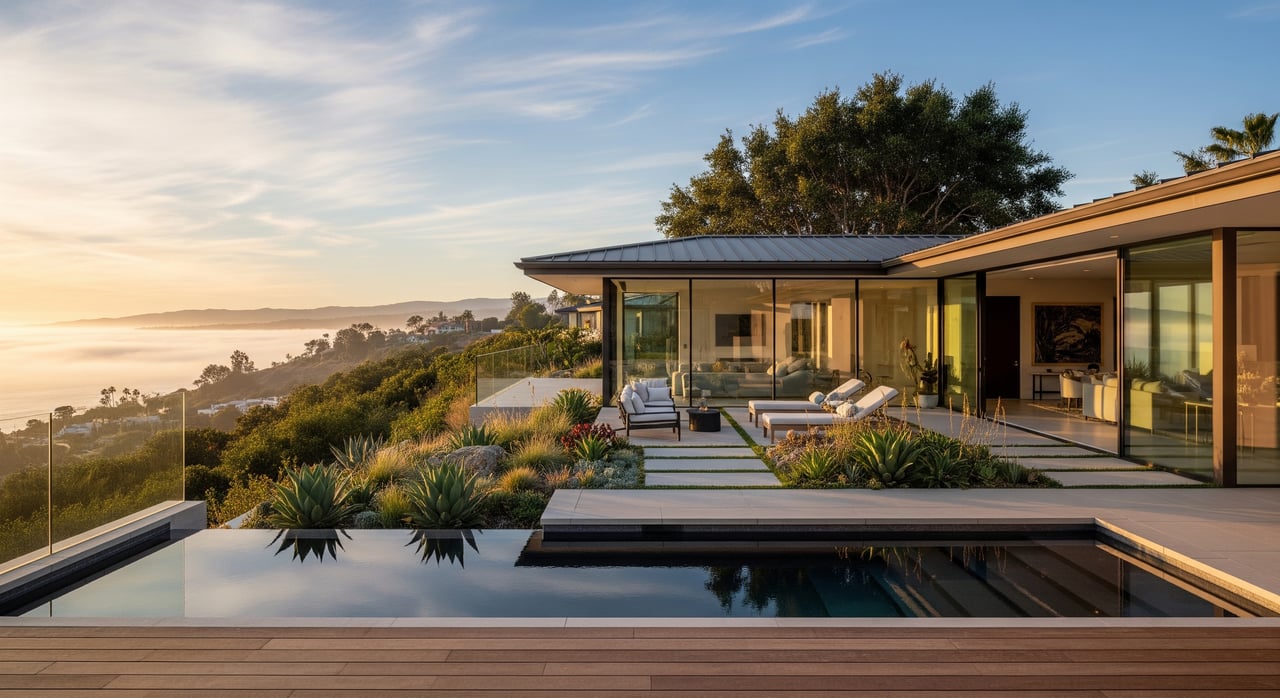
What if two similar homes just three miles apart perform very differently on the market? In Ventura County, that happens all the time, and microclimates are a big reason why. Whether you love cool ocean breezes or extra backyard space inland, understanding how coast, canyon, and valley climates affect value helps you plan smarter. In this guide, you’ll learn what to expect in each microclimate, how risk and operating costs show up in offers, and which features buyers pay for. Let’s dive in.
Ventura County microclimates at a glance
Coastal neighborhoods
Coastal areas like Oxnard’s beaches and Channel Islands Harbor, Ventura and West Ventura, Port Hueneme, and harbor-adjacent neighborhoods feel the strongest marine influence. You’ll see cooler daytime highs, frequent morning marine layer in spring and summer, higher humidity, and steady coastal breezes. That mild weather pairs with beach access and ocean views, which many buyers prize.
Market takeaway: Coastal locations often command higher prices per square foot when ocean proximity or views are involved. Buyers also factor in potential coastal hazards, maintenance from salt air, and evolving shoreline policies when shaping offers.
Canyon and valley pockets
Hillsides and interior valleys, including the Ojai Valley, Ventura hills and ridgelines, foothill areas of Thousand Oaks and Camarillo, and parts of Simi Valley near the hills, swing more in temperature. Days can be warmer, nights cooler, and winds vary by slope and canyon. The appeal is privacy, larger lots, and views.
Market takeaway: Homes can earn a premium for views, acreage, and quiet. At the same time, wildfire exposure and access considerations can affect buyer pools, insurance, and days on market.
Inland valleys
Lowland inland areas such as Simi Valley, Santa Paula, Fillmore, and much of eastern Camarillo experience hotter summers and larger day-to-night temperature swings. These submarkets usually offer larger homes and lots for the money compared with the coast.
Market takeaway: Value buyers often look inland for more space at a lower price per square foot. Some will trade off hotter summer weather, different maintenance profiles, and longer drives to the beach.
How microclimate shows up in price and speed
Why climate influences price
- Amenities: Stable climate benefits, like milder summers near the ocean or ridge views in the hills, are capitalized into prices because buyers pay for lifestyle.
- Scarcity: There is limited developable land on the coast and on view lots, which raises per-unit scarcity and can lift prices.
- Risk: Buyers, lenders, and insurers discount for hazard exposure. Wildfire areas, flood zones, and coastal erosion concerns can temper price.
- Operating costs: Energy bills for inland cooling, coastal corrosion and maintenance, and insurance premiums get considered in negotiations.
Days on market and liquidity
In general, highly desirable coastal neighborhoods with limited inventory tend to move quickly in demand cycles. Properties with higher perceived risk or special access considerations can take longer or require price adjustments. Other factors, like property type and location within a school district or commute corridor, also influence speed. The best practice is to compare similar properties by neighborhood and property type over the past 12 to 36 months using local MLS and county reports.
Risk and costs buyers factor in
Wildfire exposure in hills
Canyon and hillside homes can face elevated wildfire risk. Buyers should confirm the official Fire Hazard Severity Zone designation through Cal Fire’s mapping resources and review local programs and requirements through the Ventura County Fire Department. Expect insurance underwriting to ask about defensible space and home-hardening.
What helps value and safety:
- Ember-resistant vents, non-combustible roofing and siding, and upgraded windows
- Cleared defensible space and maintained access roads
- Documented mitigation work and participation in local fuel-reduction programs
Flooding and coastal change at the shore
On the coast, elevation, bluff stability, and FEMA designations matter. Check a property’s status using the FEMA Flood Map Service Center. For long-term planning, review sea-level rise guidance from the California Coastal Commission and tools such as NOAA’s Sea Level Rise Viewer. Buyers consider the likelihood of flooding, erosion, or shoreline armoring requirements over the life of ownership.
What helps value and safety:
- Higher elevation above mean high tide and well-maintained drainage
- Evidence of corrosion-resistant materials and proactive exterior maintenance
- Understanding local shoreline management policies
Insurance availability and cost
Insurance markets can shift, especially in high-fire zones. Some insurers limit new policies or raise premiums. Before you fall in love with a property, ask for quotes from multiple carriers and confirm lender requirements. Track statewide updates through the California Department of Insurance and local independent brokers.
What helps value and safety:
- Documentation of mitigation work that can support more favorable underwriting
- Early insurance quotes during your inspection contingency period
- Clear disclosures about risk zones and past claims
Energy and maintenance budgets
- Inland: Expect higher cooling loads in summer. Efficient HVAC, improved insulation, and shade strategies can meaningfully reduce bills.
- Coastal: Salt air can accelerate corrosion on exterior metals and HVAC components. Budget for more frequent servicing and coastal-grade materials.
- Landscaping: Countywide, drought-tolerant, native landscaping and efficient irrigation reduce water costs while keeping outdoor spaces functional.
Regulatory and financing checkpoints
Lenders require hazard insurance, and appraisals consider local risk and comparable sales. In California, sellers must provide a Natural Hazard Disclosure that identifies fire, flood, and seismic zones. For hillside or coastal properties, some projects require special permits. Review local ordinances through the Ventura County Planning Division and relevant city planning departments before you commit to changes.
What to prioritize by microclimate
If you are buying or selling coastal
- What buyers value: Walkability to the beach, ocean or harbor views, outdoor living areas, and low-maintenance exterior finishes.
- Features to highlight: Corrosion-resistant fixtures, well-maintained drainage, upgraded HVAC and ventilation, and secure storage for watercraft.
- Inspections to request: Coastal erosion or seawall condition where applicable, corrosion checks on mechanicals, plus standard structural and termite.
If you are buying or selling in canyons or hills
- What buyers value: Privacy, views, acreage, and strong indoor-outdoor flow.
- Features to highlight: Documented defensible space, fire-resistant building materials, maintained driveways and access, water system details, and septic status when applicable.
- Inspections to request: Wildfire-risk assessments, slope stability and drainage reviews, septic inspections, and well water testing when relevant.
If you are buying or selling inland
- What buyers value: Larger floor plans, yard space, storage, and proximity to commuting routes.
- Features to highlight: High-efficiency cooling, insulation and roofing upgrades, shade structures or strategic landscaping, and pool equipment in good working order.
- Inspections to request: HVAC performance under load, roof condition, termite/pest, and foundation checks in older homes.
Smart steps for Ventura County buyers and sellers
- Define your climate priorities. Do you want cooler summers by the beach, hillside privacy, or a bigger inland footprint? Rank what matters to you.
- Pull risk and permitting info early. Use Cal Fire’s hazard maps, the FEMA flood portal, and the County Planning Division to identify constraints or steps required for future projects.
- Get insurance quotes by address. Check with multiple carriers and ask about any mitigation credits or documentation that could help.
- Estimate operating costs. Review recent energy bills, HVAC age and efficiency, and exterior maintenance needs relevant to the microclimate.
- Compare apples to apples. Look at price per square foot, days on market, and inventory for similar homes in your microclimate and neighborhood. Check trends over 12 to 36 months through local MLS and county reports.
How this plays out for luxury, ranch, and equestrian properties
Acreage and hillside estates in Ventura County often sit in canyon or valley microclimates. Privacy and views carry real value, and so does functionality. Buyers pay attention to access roads, water systems, and fire resilience. Defensible space, fire-resistant roofing and vents, and clear documentation of maintenance help protect value and widen the buyer pool. In warmer inland pockets, shaded outdoor arenas, efficient barn ventilation, and heat-smart landscaping make daily life more comfortable while reducing operating costs.
Coastal luxury homes benefit from climate moderation and lifestyle amenities. Value grows when the property pairs views with materials selected for salt exposure and thoughtful drainage. For all property types, pairing lifestyle storytelling with technical credibility helps a listing stand out and sell with confidence.
The bottom line
Microclimates in Ventura County shape pricing, market speed, insurance, and long-term costs. Coastal homes often show premiums for beach access and views, balanced against coastal hazard considerations. Hillside and canyon properties can earn value for privacy and scenery, with wildfire preparedness as a key factor. Inland homes deliver more space for the price, with smart cooling and shade strategies improving comfort and appeal. If you understand how climate, risk, and operating costs fit together, you can price, market, and buy with clarity.
Ready to map your goals to the right microclimate and strategy? Connect with The Jenna Kaye Group for local guidance and a tailored plan.
FAQs
Do coastal homes in Ventura County always sell for more?
- Often, ocean views and beach access lead to higher prices per square foot, but premiums are balanced by coastal hazards, insurance, and maintenance. Compare recent sales in your specific neighborhood.
How should I assess wildfire risk for a hillside home?
- Confirm the official designation on Cal Fire’s Fire Hazard Severity Zone maps, review defensible-space work, and get insurance quotes during your contingency period.
Will sea-level rise affect the value of a beach-area property?
- It depends on site conditions. Review FEMA flood maps, the California Coastal Commission’s guidance, and NOAA’s Sea Level Rise Viewer to understand exposure and timelines.
What upgrades add the most value in each microclimate?
- Coastal: corrosion-resistant exterior materials and drainage; Canyon: home-hardening and defensible space; Inland: high-efficiency cooling and shade; Across all: refreshed kitchens, baths, and curb appeal.
Where can I find trusted climate and hazard data for Ventura County?
- Use NOAA climate resources and Cal-Adapt for climate context, Cal Fire for wildfire zones, FEMA for flood maps, and county planning for local rules.