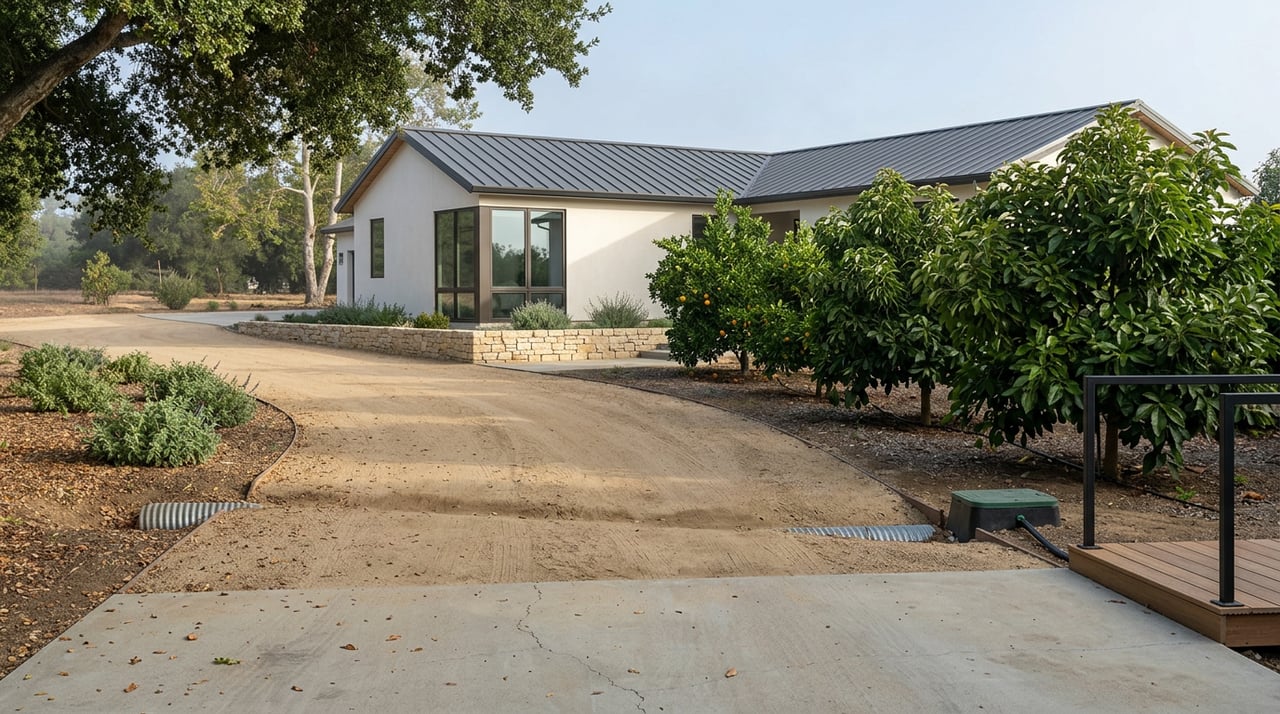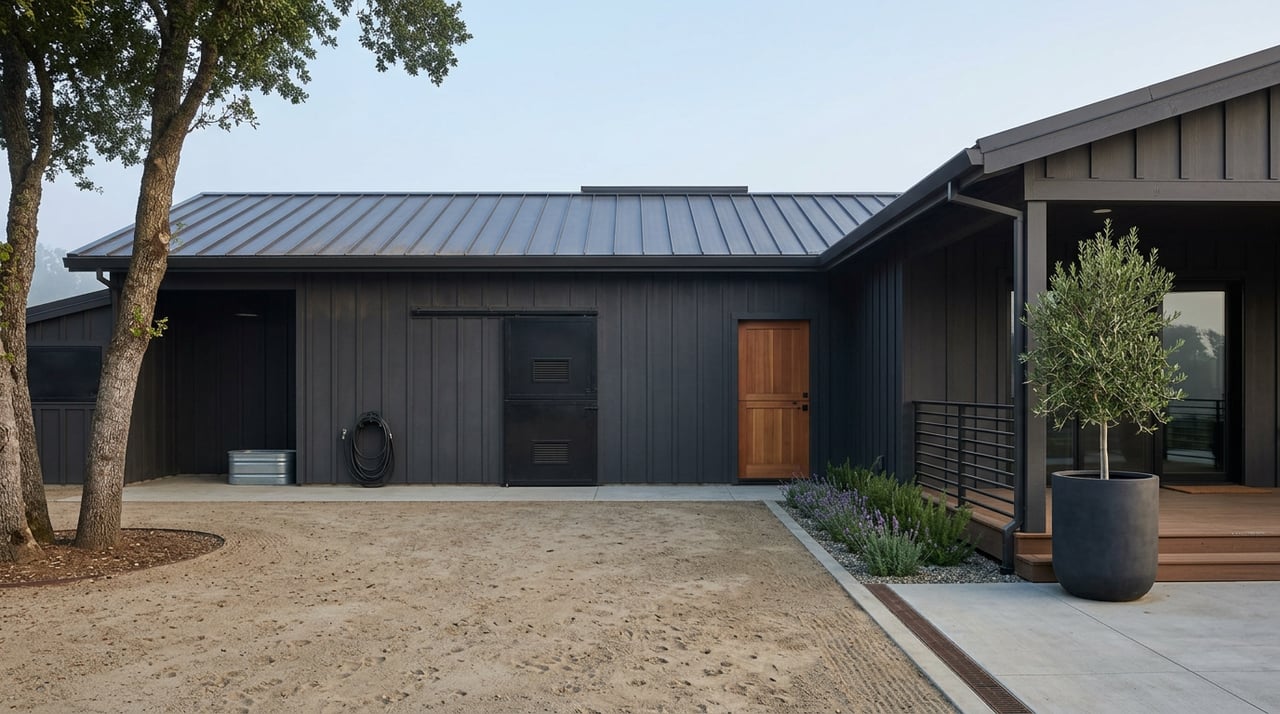
Thinking about selling your Ventura home and wondering if you should aim for early spring? You are not alone. Many sellers see more buyer activity as the weather brightens and families plan summer moves. In this guide, you will learn how seasonality works in Ventura, what local factors matter most, and a practical 12-week plan to hit an early spring launch with confidence. Let’s dive in.
Ventura seasonality at a glance
Spring is traditionally the busiest selling season across the country, and Ventura generally follows that pattern. Our coastal climate is mild, so seasonality is less extreme than colder markets, but you still tend to see more listings and buyer tours in late winter and spring. Many families prefer to shop now so they can close before summer. Spring also helps your home shine because landscaping, outdoor areas, and natural light look their best, which boosts photos, online views, and showings.
Pros and cons of early spring in Ventura
Benefits of early spring
- Peak buyer intent. Many buyers start searching now, especially those planning a summer move.
- Stronger presentation. Fresh landscaping and longer daylight improve curb appeal and media.
- Momentum when inventory is lean. If supply is tight, spring demand can mean faster sales and multiple offers.
- Smooth closing timeline. Listing now often lines up closings for late spring or early summer.
Potential downsides
- More competition. Other sellers may list at the same time, increasing comparable inventory.
- Rushed prep backfires. Listing before repairs, staging, or permits are ready can reduce your price or cause delays.
- External headwinds. Mortgage rate spikes or economic news can soften a typical spring bump.
- Property-specific risks. Insurance, wildfire, flood, or coastal issues can slow decisions regardless of season.
When another season may win
- Late summer or early fall. You may face less competition, and active buyers are often highly motivated.
- Winter. If inventory is very low, a unique property can stand out and attract serious buyers.
- After major work is complete. If you need permits or big repairs, wait to avoid appraisal or loan issues.
What matters more than the month
Timing helps, but your outcome depends most on current market signals and your property’s readiness. Focus on inventory levels, days on market, pricing trends over the last few months, and mortgage rate direction. Also watch new listings in your price band, since higher competition can shape your strategy.
Here is a quick check two to four weeks before you decide:
- Current months of inventory in your neighborhood and price range.
- Median days on market trend compared with recent months.
- Price movement over the last 60 to 90 days.
- Mortgage rate trend and buyer sentiment.
- Incoming competing listings scheduled for spring.
Ventura-specific factors to prepare for
Permits and disclosures
California requires a Transfer Disclosure Statement and Natural Hazard Disclosure. In coastal zones or areas with specific hazards, additional documentation may apply. If you have additions or major remodels, verify permit history with the City of Ventura and prepare a remedy or disclosure plan for any unpermitted work.
Coastal wear and inspections
Salt air can accelerate exterior wear on paint, metal, and fixtures. Proactive inspections help you get ahead of buyer questions. Consider a general home inspection, termite or WDO inspection, roof check, and HVAC evaluation so you can fix issues or disclose them clearly.
Wildfire, flood, and insurance
Parts of Ventura County carry wildfire risk or flood considerations. Buyers and lenders may ask for details about insurance availability and costs, as well as recent fire or storm history. Gather quotes early and be ready to communicate risk, mitigation steps, and any relevant reports.
Who is likely to buy
Ventura’s buyer pool is a mix of local professionals, regional commuters, military relocations, retirees, and coastal lifestyle buyers. Showcase features that speak to these groups, such as outdoor living, harbor or trail access, flexible work spaces, and well-maintained systems.
A 12-week plan to hit early spring
Use this backward plan if you want to list in late February or early March. Adjust to your target date and scope of work.
12+ weeks out
- Order key inspections: home, termite or WDO, roof, and HVAC.
- Evaluate major repairs and line up contractors. Start permits early if needed.
- Confirm permit history on additions and address any gaps.
- Meet with your listing agent to review comps and set a strategy.
8–10 weeks out
- Start cosmetic updates: paint, lighting, hardware, minor kitchen or bath refreshes.
- Refresh landscaping with drought-tolerant curb appeal. Pressure wash and repair fences or gates.
- Declutter and plan staging. Decide on full or partial staging and arrange offsite storage.
- Review insurance considerations that could affect buyers or financing.
4–6 weeks out
- Complete staging, deep cleaning, and any remaining small repairs.
- Schedule professional photography and video. Add drone if views or setting matter.
- Assemble disclosures: TDS, NHD, WDO report, permit documents, HOA package if applicable.
- Gather utility bills and maintenance records to build buyer confidence.
2 weeks out
- Walk the property and handle final touch-ups inside and out.
- Launch quiet pre-market outreach to local agents to build early interest.
- Finalize pricing based on the latest inventory and days on market data.
Listing week
- List on the MLS with high-quality media, a floor plan, and a precise description that highlights outdoor living, coastal proximity, recent work, and permit clarity.
- Execute a multi-channel marketing push: MLS, brokerage feeds, social media, targeted email, and open houses.
- Monitor showings and feedback daily and be ready to adjust.
When offers arrive
- Compare price, contingencies, financing strength, inspection timelines, and flexibility on closing dates.
- Prepare for escrow and keep momentum by responding quickly to requests.
How premium marketing amplifies spring
Early spring delivers more eyeballs, and strong presentation turns that attention into offers. Professional staging, high-end photography, and cinematic video showcase Ventura’s indoor-outdoor lifestyle. Drone captures views, acreage, and setting that traditional photos miss, which is especially valuable for estates, ranches, and coastal homes.
Construction fluency matters too. Knowing which repairs and upgrades move the needle helps you spend wisely and avoid surprises in escrow. A well-documented file with permits, disclosures, and recent maintenance gives buyers confidence and can shorten negotiations.
Bottom line
Early spring is often a smart time to sell in Ventura, especially if your home’s outdoor spaces and natural light are key selling points. The best results come when timing meets preparation and a clear read on inventory, days on market, and mortgage rates. If you want to capture spring demand, start now with inspections, permits, and a strong media plan.
If you are considering an early spring sale, request a private plan tailored to your property’s needs. Connect with The Jenna Kaye Group for a confidential consultation and premium marketing built for Ventura’s lifestyle homes.
FAQs
Is February or March better to list in Ventura?
- Both can work well; choose the date that aligns with your property’s readiness, current inventory, and your goal of closing by late spring or early summer.
How do mortgage rates affect a spring sale in Ventura?
- Rising rates can cool demand, while stable or declining rates can boost buyer activity, so monitor rate trends alongside seasonality when deciding.
Do equestrian or ranch properties follow the same seasonality?
- They can, but these properties are niche; serious buyers shop year-round, so complete due diligence, marketing assets, and permits before listing.
What inspections should I do before listing in spring?
- A general home inspection, termite or WDO report, roof and HVAC checks help you address issues or disclose them clearly to buyers and lenders.
How long do permits take in the City of Ventura?
- Timelines vary by scope, and coastal or structural work can add weeks or months, so start early and plan your list date accordingly.