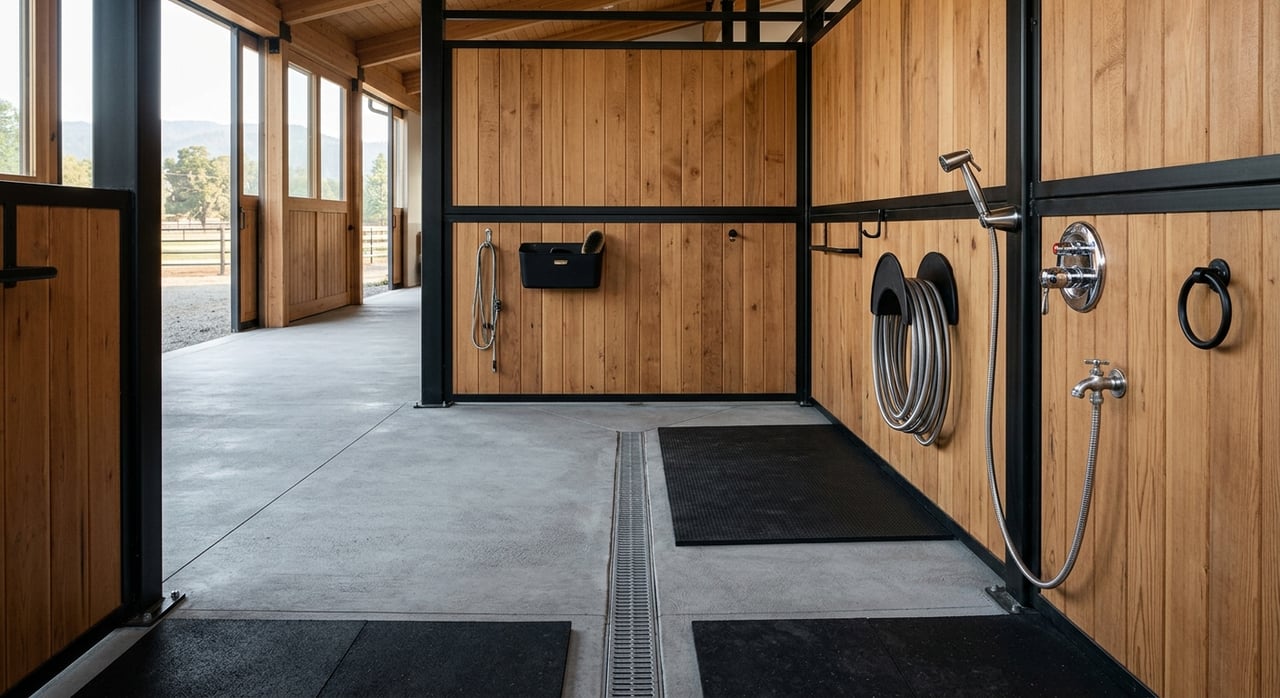
Selling a horse property in Santa Rosa Valley is not the same as selling a typical home. Buyers here often look past the house first and study the barn, arena, fencing, water setup, access, and paperwork just as closely. If you want a smoother sale and stronger buyer confidence, it helps to prepare both the lifestyle side and the technical side before you list. Let’s dive in.
Why horse properties need extra prep
Santa Rosa Valley is an unincorporated Ventura County community, so horse properties are generally shaped by county rules rather than a city permitting system. That matters because buyers often ask very specific questions about allowed use, permit history, fire readiness, water systems, septic records, and access.
This is also a market with a visible equestrian identity. County park land in Santa Rosa Valley includes horse trailer parking, riding areas, and a training area, so buyers are often familiar with what a functional horse setup should look like. They tend to notice details that might be overlooked on a standard residential sale.
Start with first impressions
A well-prepared horse property should feel clean, dry, safe, and manageable. You do not need to create a luxury show barn effect, but you do want the property to present as cared for and easy to step into.
That starts with basic cleanup. Remove manure piles, old hay, broken buckets, cobwebs, rusted tools, and loose clutter from barns, feed rooms, paddock edges, and storage areas. Unmanaged manure can contribute to odor, flies, rodents, and water-quality concerns, so visible piles can quickly turn into a buyer objection.
Make barns look dry and aired out
Horse buyers pay attention to air quality. If a barn feels musty, dusty, or damp, it can signal deferred maintenance even when the structure itself is sound.
Before photos and showings, improve ventilation where possible, sweep thoroughly, and reduce dust buildup on surfaces, stall fronts, and rafters. A barn that smells fresh and feels dry instantly reads as better maintained.
Clean water areas
Troughs and tanks should be cleaned before the property goes on the market. Buyers notice algae, grime, and murky water, especially on a property built around horse keeping.
Clean water areas also support the larger impression that the operation is organized and current. Small details like this can make the entire setup feel more credible.
Focus on safety buyers will notice
Horse property buyers often scan for safety without even realizing they are doing it. If fencing looks questionable or gates are hard to use, they may start wondering what else has been overlooked.
Repair or replace visibly unsafe fencing before listing. Safer, more visible fencing tends to present better than low-cost wire options that are not recommended for horses, and the visual difference shows up quickly in listing photos and in-person tours.
Tidy turnout and work areas
Turnout spaces, shed rows, and arena edges should feel orderly. Remove scrap materials, stack supplies neatly, and clear obvious tripping hazards from paths and gate areas.
The goal is simple: help buyers picture a property that works well day to day. Operational order often matters more than decorative staging on an equestrian sale.
Check barns and improvements for permits
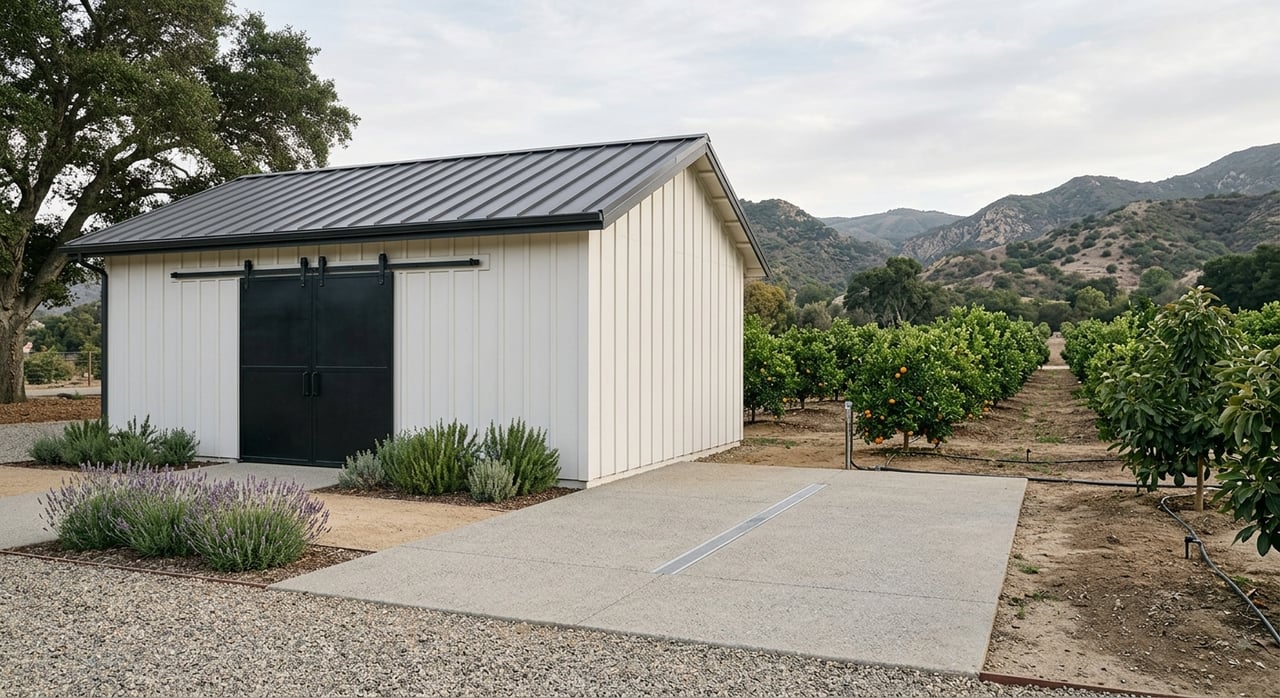
In Ventura County, a barn is classified as an accessory structure related to agriculture and animal husbandry or animal keeping. The county also states that most buildings and structures require permits, and barn approval can depend on whether the parcel is coastal or non-coastal.
That is why permit history matters so much before you list. If you have a barn, stalls, arena lighting, electrical work, water lines, driveways, or other improvements, it is smart to pull the permit history early rather than wait for a buyer to raise questions during escrow.
Why permit records matter
A structure can look functional and still create concerns if documentation is missing. Buyers may ask whether a barn was permitted, whether electrical work was signed off, or whether other site improvements were approved.
Ventura County can provide permit-history record searches. Having those records ready can make your property feel more transparent, better organized, and easier to underwrite from a buyer’s perspective.
Review horse-keeping limits and zoning
One of the most common buyer questions is simple: how many horses can be kept on the property? In Ventura County, that answer is not based on acreage alone.
County zoning regulates animal keeping through animal-unit formulas tied to zone and lot size. If you market a horse property, it helps to confirm the current zoning context so buyers are not left guessing about capacity.
Address fire readiness before listing
Fire readiness is a major issue for Ventura County properties, especially rural and equestrian parcels. Defensible-space clear zones are required in hazardous fire areas, and the Ventura County Fire Department offers defensible-space compliance reports for properties in high and very high fire hazard severity zones.
For sellers, this means wildfire preparation is not just an inspection issue. It is part of how the property is presented and how buyer confidence is built.
Look at the home and the barn
On a horse property, both the residence and the accessory buildings matter. CAL FIRE describes home hardening as the use of construction features, materials, and maintenance practices that improve resistance to ignition from embers, radiant heat, and direct flame.
That makes roof edges, vents, siding, and nearby vegetation important talking points. A buyer who sees current, well-managed defensible space is more likely to feel the property has been responsibly maintained.
Know the current local standard
The Ventura County Fire Department states that, effective March 1, 2025, new buildings and additions must use a 5-foot non-combustible Zone 0. Even if your sale does not involve new construction, this standard shapes how buyers think about upgrades, additions, and ongoing property management.
Make the arena look rideable
Arena footing is not just a cosmetic issue. UC Davis notes that footing properties affect limb loading, and surfaces that are too hard, too stiff, too soft, or irregular can increase injury risk or affect performance.
Before listing, make sure the arena appears level, drained, and maintained. Eliminate obvious ruts, address standing water, and present a surface that looks consistent and usable.
Drainage matters after rain
Buyers often ask whether the arena is safe and rideable after wet weather. Even if they do not ride during a showing, they will pay attention to drainage patterns, low spots, and signs of ongoing surface issues.
A well-kept arena helps support the idea that the property has been run thoughtfully. That can be a real value driver in an equestrian sale.
Organize manure and pasture systems
Manure handling should look planned, not improvised. Extension guidance recommends manure storage that is designed for long-term handling, kept out of runoff, and placed where it can be managed conveniently and screened when possible.
If your property has a stockpile area, make sure it is orderly and not left in prominent view during showings. Buyers tend to respond better when these systems feel intentional and contained.
If manure is spread on pasture, it should be done based on soil tests and nutrient needs rather than convenience. While that may not always appear in marketing materials, it can be useful background information if buyers ask how the property has been managed.
Gather well and septic records
Water documentation is a major issue on rural property sales. If your property uses a private well, Ventura County requires well permits for water wells, and private well certification involves items such as a state-certified lab report, a scaled plot plan, and a pump-and-recovery test approved by county groundwater staff.
If your property uses a shared well, Ventura County requires a shared well agreement recorded on the deeds of both the supplier and supplied properties. Buyers will often want clarity on whether the water source is private, shared, or public, so this is worth sorting out before the home goes live.
Confirm septic history too
If the property is not on sewer, verify the onsite wastewater treatment system permit history before listing. Ventura County Environmental Health regulates septic systems, and having those records ready can reduce delays once disclosures and inspections begin.
Verify access and road documents
Access is another common pressure point for rural and horse properties. If the home is served by a private road, buyers will want to know whether there are recorded easements and how maintenance is handled.
Ventura County Public Works notes that easement information is typically found in deeds and subdivision maps, and title insurance should show recorded easements. It also states that maintenance costs are generally shared according to agreement or proportionate use if no agreement exists.
Watch for right-of-way issues
If there has been work in the county right-of-way, such as driveway construction, utility work, or placement of fences or other obstructions, an encroachment permit may be required. This is another reason to review the property file before marketing begins.
Build a strong pre-listing file
One of the best ways to prepare a Santa Rosa Valley horse property is to create a clean, organized document package before buyers ever ask for it. This can help reduce surprises, speed up due diligence, and support a stronger negotiating position.
A useful pre-listing file may include:
- Permit history for the house, barn, stalls, arena lighting, driveways, fences, and utility work
- Recorded easements and any private-road agreements
- Current well records or shared well documentation
- Septic permits and related records
- Any available defensible-space compliance report
- Information needed for California disclosure forms, including the Transfer Disclosure Statement and Natural Hazard Disclosure Statement
California’s natural hazard disclosure framework can include flood, fire, earthquake fault, seismic hazard, and wildland fire areas. Separate right-to-farm disclosure rules may also apply if the property is within one mile of designated farmland.
What today’s buyers want to see
The best-prepared horse properties usually share the same traits. They look clean and safe, they function well on a practical level, and they come with records that answer the most likely buyer questions.
In Santa Rosa Valley, that often means more than attractive photos. It means showing that the barn, arena, fencing, water systems, septic setup, access, and fire-readiness story all hold together.
That is where thoughtful preparation can make a measurable difference. When a horse property is both visually appealing and document-ready, it tends to feel more credible from the first showing through escrow.
If you are thinking about selling, the right plan starts with understanding both the property’s story and its technical details. The Jenna Kaye Group brings equestrian familiarity, construction fluency, and tailored marketing to help Santa Rosa Valley sellers prepare complex lifestyle properties for the market.
FAQs
What should you fix first before selling a Santa Rosa Valley horse property?
- Start with the items buyers notice fastest: manure removal, barn cleanup, water trough cleaning, unsafe fencing repairs, arena maintenance, and obvious clutter around turnout and work areas.
What paperwork matters most for a Santa Rosa Valley horse property sale?
- The most useful records often include permit history, well or shared-well documents, septic records, recorded easements, private-road agreements, fire compliance information, and the California disclosure forms required for the sale.
How do buyers verify how many horses a Santa Rosa Valley property can support?
- In Ventura County, horse-keeping limits are based on zoning and animal-unit formulas tied to the parcel’s zone and lot size, not just the number of acres.
Why do permits matter when selling a horse property in Ventura County?
- Buyers often want to confirm whether barns, stalls, lighting, electrical work, water lines, and other improvements were properly permitted because missing documentation can create concern during due diligence.
What fire issues should sellers review for a Santa Rosa Valley horse property?
- Sellers should review defensible space, vegetation near structures, and the condition of the home and accessory buildings because wildfire readiness is a major due-diligence issue in Ventura County.
What do buyers want to know about wells and septic systems on a Santa Rosa Valley horse property?
- Buyers usually want to know whether the water source is private, shared, or public, whether current well documents are available, and whether septic permit history is clear and accessible.