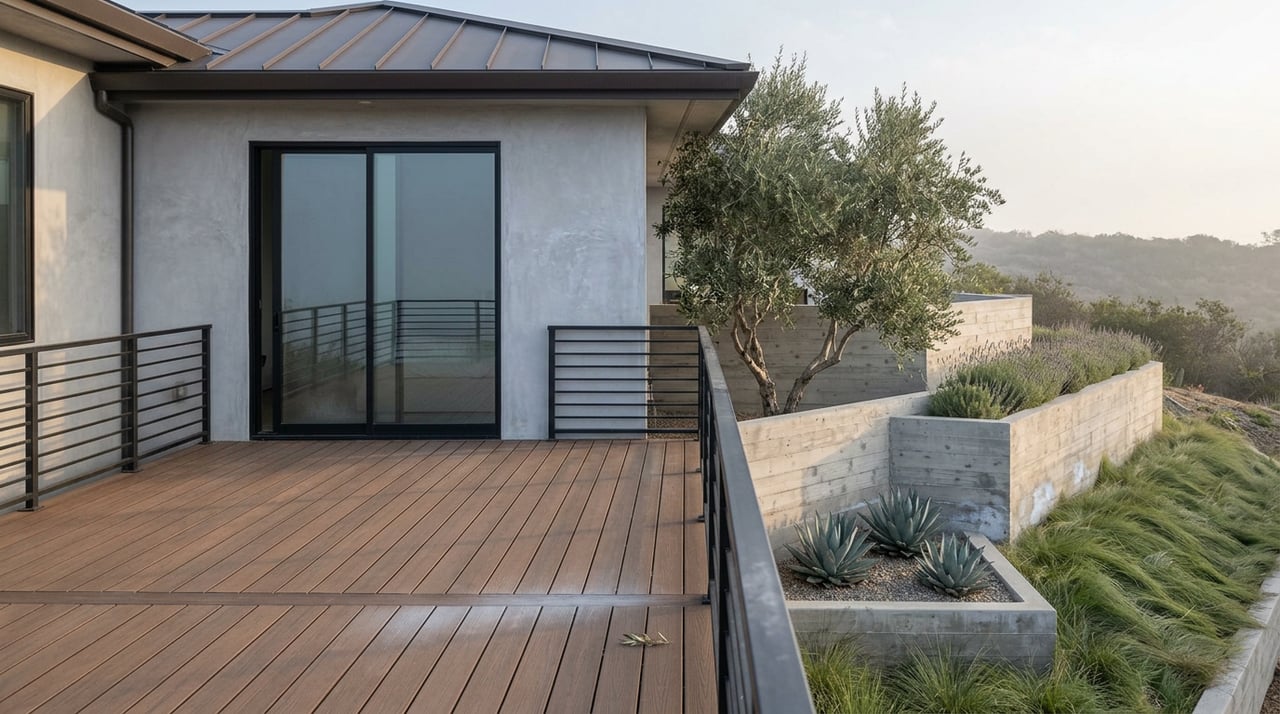
"This is a milestone that brings the meaning of recovery home in a very real way," Malibu City Manager Joe Irvin told the City Council on September 14, 2026, marking the 100th building permit issued for a Palisades Fire rebuild, according to Green Home Builder. On the same night, the city confirmed its first Certificate of Occupancy: a family that received its rebuild permit in October 2025 and finished construction about 11 months later, finally able to move back into a home the fire took in January 2025.
Read as a headline, that's good news, and it is. Read as data, it's a number worth sitting with for a different reason. Roughly 700 homes burned in Malibu in that fire. Twenty months later, 100 have a permit to rebuild, and one has actually finished. That ratio, not the milestone itself, is the thing anyone buying, selling, or holding land in Malibu right now needs to understand, because it explains almost everything else happening in this market: why lots are pricing the way they are, why financing has all but disappeared for construction, and why the same fire produced two very different recoveries just a few miles apart.
The Same Fire, Two Different Clocks
Pacific Palisades and Malibu were burned by the same event on the same night. By the fall of 2025, framing was already visible on lots throughout the Palisades, while Malibu's coastline still looked frozen, according to reporting from that period. That gap wasn't about which community cared more or worked harder. It came down to which regulatory system each property sits inside.
A rebuild in the Palisades answers to the City of Los Angeles alone. According to DWD Builders, a rebuild in Malibu answers to the City of Malibu and the California Coastal Commission, because Malibu's entire jurisdiction sits inside the coastal zone. Add to that the fact that, according to Goldenline Construction, every parcel in Malibu is also inside a Very High Fire Hazard Severity Zone, which triggers Chapter 7A ignition-resistant construction requirements (ember-resistant vents, hardened exterior materials, and the rest of that code chapter), and the fact that Malibu has no municipal sewer system outside a small area near the Civic Center, with beachfront lots often facing costs running into six figures for the pricier "Advanced" treatment systems.
None of this is unique in isolation. What's unique to Malibu is having all of it stacked on a single property at once,
What the Permitting Math Actually Costs
The city's own numbers from the September 14 update show the shape of the backlog: 1,168 total permits issued for fire damage repair, debris removal, and various structures, alongside 370 planning approvals and 66 projects currently sitting in building plan check. Getting from a planning approval to an actual building permit is where the real waiting happens, and a Coastal Development Permit, the document most Malibu rebuilds beyond a strict like-for-like replacement will need, carries a minimum fee of roughly $11,600 (public sources put it at $11,579 to just under $11,600) and a public timeline of 12 to 24 months, since it requires public noticing and a Planning Commission hearing that can be appealed all the way to the Coastal Commission itself.
There is a faster lane. According to Malibu Rebuilds, homeowners rebuilding within 10% of their original height, square footage, and footprint can often use an Administrative or Site Plan Review process instead, and the Santa Monica Mirror reports that the city's Fast Track Rebuild Program allows qualifying homes up to 3,433 square feet of livable space without triggering the longer path. But qualifying is the operative word.
Data from public permit records tracked by shovels.ai and cited as of March 2026 puts Malibu's average permit job value at roughly $489,000, the highest of any Los Angeles fire-affected community. That figure alone tells you something about who is actually building here right now: not homeowners doing minimal repairs, but full reconstructions of high-value estate properties navigating every layer of that regulatory stack at once.
Why Cash Is Doing Almost All the Buying
This is the part that shows up most clearly in the sales data. In the three months ending November 2025, the most recent period with a full investor-purchase breakdown, buyers classified as investors accounted for 19 of the 43 vacant lots sold in Malibu's 90265 zip code, or 44.2%, more than double the 21.4% share recorded the year before, according to Redfin's analysis of county sales data. Active lot listings in that same window climbed to 214, up from 125 a year earlier, even as closed sales stayed thin.
That combination, rising inventory and a shrinking pool of closed sales, is what happens when a mortgage-backed buyer largely can't compete. Lenders are wary of underwriting construction against a 12 to 24 month permitting timeline they can't control, so land buyers in Malibu right now are overwhelmingly cash-rich investors, developers building on spec, and owner-builders with the resources to carry a property through years of uncertainty before it becomes a home. If you're comparing that dynamic to Pacific Palisades, where financing has started to loosen alongside a faster permit pace, understand that you're not looking at two versions of the same recovery. You're looking at two different buyer pools shaped by two different regulatory clocks.
What This Does to Pricing, Lot by Lot
Because so few transactions are actually closing, comps here move in ways that don't behave like a normal market. Different data providers tracking Malibu home prices this year have shown swings from a double-digit year-over-year decline to a small increase, sometimes in the same quarter, depending on which handful of sales happen to close. That's not a data error. It's what a thin market looks like, and it's the strongest argument for pricing any Malibu lot off its own permit status and Assessor Parcel Number rather than a zip-code average.
The specifics bear this out. In Big Rock, a burned lot listed at $1.65 million has already gone through two price reductions. In Las Flores Beach, one oceanfront parcel dropped from $3 million in April to $1.95 million by October without finding a buyer, while a separate Las Flores Beach lot with a rare 53 feet of direct ocean frontage was still listed at $5.69 million as of August 2026, itself already $3 million below what its owners paid before the fire. A few miles down the coast, Carbon Beach, nicknamed Billionaires Beach for owners like Larry Ellison, has held its value in a way these fire-affected pockets haven't, which is its own reminder that "Malibu real estate" isn't one market so much as a string of very different micro-markets sharing a zip code.
What to Check Before You Price or Offer on a Malibu Lot
If you're evaluating a specific parcel, whether as a rebuild opportunity or a sale, the questions that actually matter aren't about square footage. They're about where the property sits in the permitting pipeline. The Malibu Rebuild Task Force now maintains a searchable permit tracker where you can look up any address or APN and see exactly which stage it's in, from initial planning through Certificate of Occupancy, along with which zone captain is assigned to that area. The city's own Rebuild Dashboard tracks aggregate progress in something close to real time.
Before pricing or bidding, worth confirming for any specific lot:
- Debris clearance status, since undocumented clearance can stall a sale or a permit application on its own
- Whether the property has completed a full Coastal Development Permit review or qualifies for the faster like-for-like pathway
- Septic or OWTS capacity, particularly on beachfront parcels
- Whether the lot falls inside a Coastal Commission appeal zone, which can add an entire additional layer of review after city approval
None of this makes Malibu land a bad bet. It makes it a market where the diligence has moved from the house to the permit file, and where a construction-literate read of a property, not just a comp sheet, is what actually protects a buyer's timeline and a seller's price.
A Few Questions Worth Answering Directly
Is it still possible to get a construction loan for a Malibu rebuild lot? It's harder than it was before the fire, and most active land purchases right now are cash. Some owner-builders are financing construction separately once permits are in hand, but lenders remain cautious about the permitting timeline itself.
Does a lot with an active permit sell for more than one without? Generally yes, since a buyer inherits months or years of completed review rather than starting from zero. This is exactly why checking permit status by address matters more than comparing list prices alone.
How long does a Coastal Development Permit actually take once submitted? The city's stated range is 12 to 24 months, though projects that combine Coastal Commission review with city plan check in parallel, rather than waiting for one to finish before starting the other, have moved faster in practice.
If you're weighing whether to rebuild, sell, or buy into Malibu's recovery right now, the permit file tells you more than the listing photos do. The Jenna Kaye Group works construction timelines and land valuations like this one every day across Ventura County and the adjacent Los Angeles lifestyle markets, and we're glad to walk through what a specific Malibu parcel's permit status actually means for your price or your plan. Request a private consultation and tailored marketing plan whenever you're ready to look at the numbers together.
This article is general information, not legal, tax or financial advice. Consult a qualified professional about your situation.